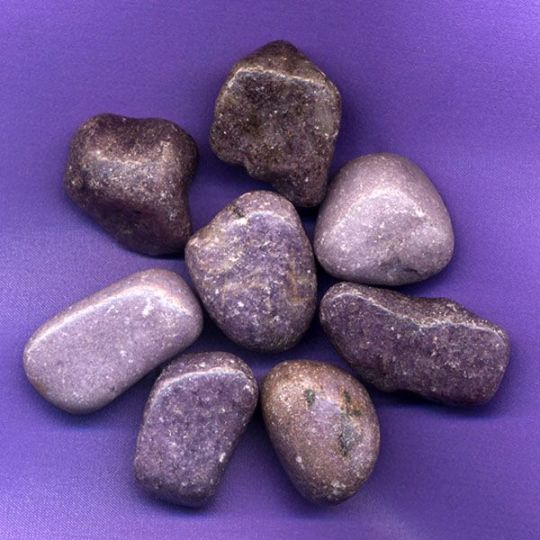
lepidolite is a variety of mica and is typically pink or lavender colored. when tumbled it is extremely glittery – pictures don’t do it justice!
2) ulexite
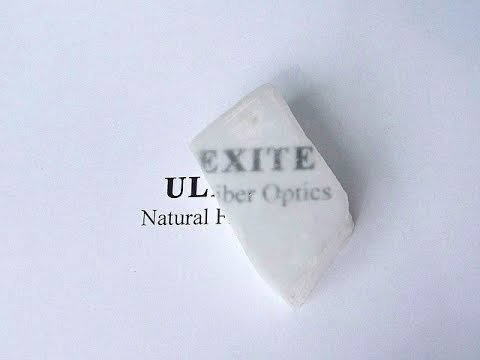
ulexite is also called “tv rock” and has a super unique optical effect – when placed over something it displays that image onto the top of the rock. it’s not merely opaque – the fibers within the mineral literally project an image onto the surface of the stone.
3) pietersite
pietersite has chatoyancy – much like tiger’s eye – that creates movement and shine through the surface of the stone. however, unlike tiger’s eye, pietersite’s chatoyancy is in swirls instead of straight lines. it’s incredible to behold – i recommend looking up pietersite on youtube and checking out videos of it under good lighting.
4) optical calcite/iceland spar
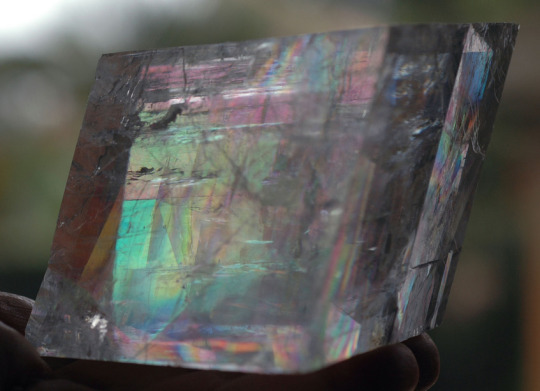
this type of calcite is actually completely clear, but refracts the light going through it in ways that create rainbows and other neat optical effects. isaac newton himself actually studied this rock to help better understand the nature of light itself & the phenomenon of optical illusions.
5) alexandrite
alexandrite is a variety of chrysoberyl that exhibits a color change! it changes from a greenish hue to a brilliant red depending on the type of light and the source. the color changes in alexandrite are phenomenal and rarely seen in other stones.
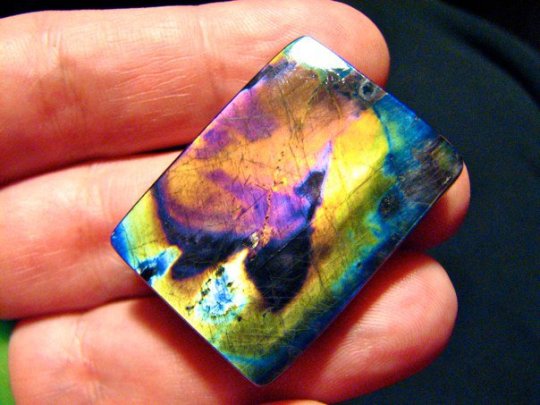
6) spectrolite
don’t let the image fool you – this stone is actually pure black. the brilliant colors it exhibits are just a flash (it’s actually called labradorescence, which is what the stone labradorite is named for). spectrolite is an uncommon form of labradorite mined only from finland. some varieties of high quality labradorite from madagascar can show a spectrolite play, but nothing is as dark with as brilliant a flash as spectrolite.
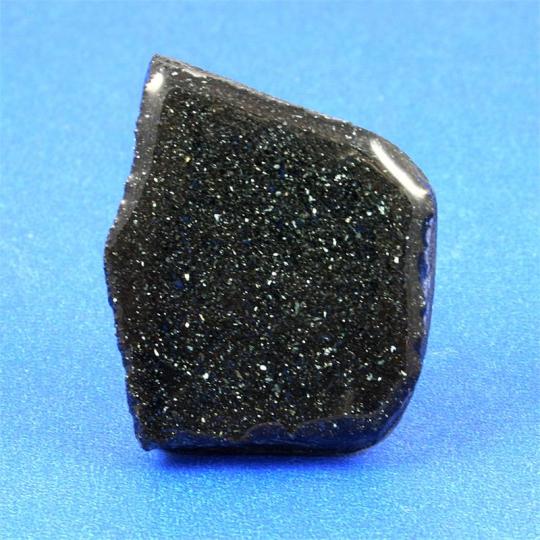
7) specular hematite
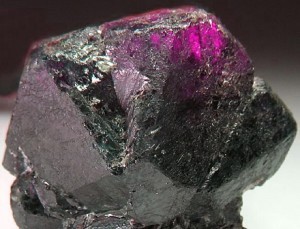
specular hematite is a variety of hematite that has a beautiful, glimmering surface especially when polished. much like lepidolite, the shimmer of specular hematite is caused by mica.
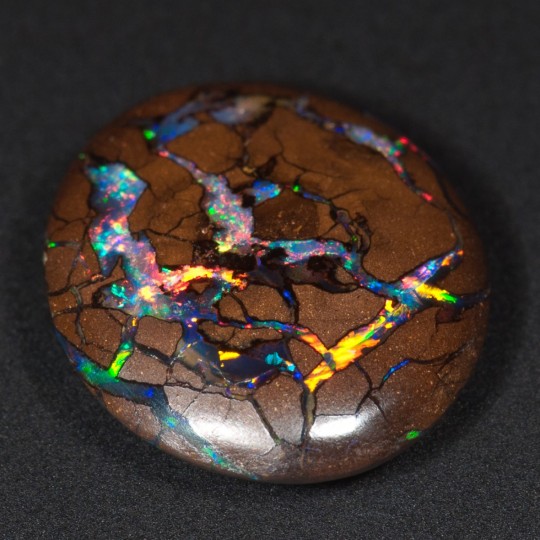
8) boulder opal
boulder opal is ironstone with cracks of brilliant natural opal running through it. these formations are entirely natural. opal has the most brilliant and vibrantly colored flash of any other stone.
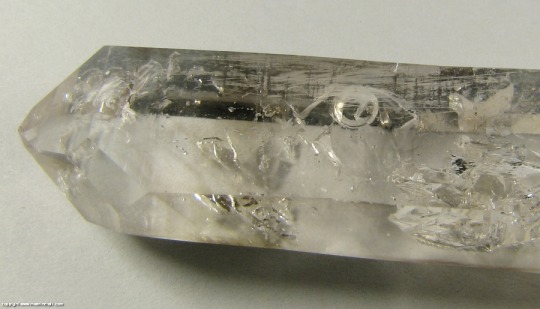
9) enhydro quartz
enhydro quartz is a variety of quartz that was formed with naturally occuring water & air bubbles within them! in some specimens the water bubbles will actually move underneath the surface of the crystal.
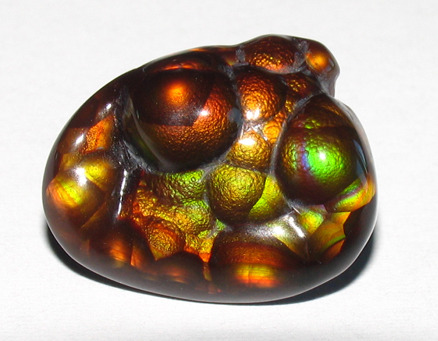
10) fire agate
fire agate is actually a form of chalcedony, and is well known for having a beautiful rainbow effect caused by schiller, rather than flash or labradorescence.
Hello, folks! I am here to ask you a very tiny favor.
A graduate student I know has entered a video competition, the prize for which is funding for his research. 75 videos were submitted, but only the 25 with the most views will advance to be evaluated by a panel of judges.
Several of the other entrants TA classes of 200+ people, so they’re just asking their students. Phil doesn’t have that advantage, so he’s pretty far behind, even though he does very good work.
The video is literally 60 seconds about gemstone potential in Canada’s North.
If you can, please watch it to help give him a leg up into that top 25!
Reblogs encouraged!
Reblogging for the morning crowd. Many thanks to all the folks who have watched and reblogged so far!
Thanks to you folks we’re in a much better position in the views, but one last push before the deadline (March 1, 2018) couldn’t do any harm! If you could give a quick watch or reblog, that would be much appreciated.


 teakepp