The culinary use of flowers dates back thousands of years to the
Chinese, Greeks and Romans. Many cultures use flowers in their traditional
cooking, medicine, and magick.
Adding flowers to your food can be a nice way to add color, flavor
and a little magickal whimsy. Some are spicy, and some herbaceous, while others
are floral and fragrant. The range is surprising. Flower petals can be
used in salads and as garnish for desserts, but they also inspire magickal
creative uses as well. Use them to make floral spirit water for rituals, as a
medicinal tea, or add to a healing spell or love potion…. the possibilities are endless.
TIPS FOR SAFE AND TASTY DINING:
Not all flowers are edible (those listed below are safe for consumption) – As lovely
as eating flowers can be, some can also be a little … deadly, so only
eat flowers
you know to be consumable — if you are uncertain, consult a reference book on
edible flowers and plants. (Always refer to the botanical name when verifying whether a flower is
safe to eat.)
Just
because a flower is edible doesn’t mean it will taste good. Some will be more to
your liking than others – it’s all a matter of taste. Keep in mind that the
stamen, pistil and sepal of some blossoms are bitter and can contain pollen
that may detract from the true flavor of the flower. Consuming only the
petals will further heighten the appeal factor.
Eat flowers you have grown yourself, or know to be safe for
consumption. Flowers from the florist or nursery have probably been treated
with pesticides or other chemicals.
Do
not eat roadside flowers or those picked in public parks. Both may have been treated with pesticide or
herbicide, and roadside flowers may be polluted by car exhaust.
Eat
only the petals, and remove pistils and
stamens before eating.
If
you suffer from allergies, introduce edible flowers gradually, as they may exacerbate allergies.
To
keep flowers fresh, place them on moist paper towels and refrigerate in an airtight
container. Some will last up to 10 days this way. Ice water can revitalize limp
flowers.
1, Allium
All blossoms from the allium family (leeks,
chives, garlic, garlic chives) are edible and flavorful. Flavors run the gamut from delicate leek to
robust garlic. Every part of these plants is edible. Garlic is masculine in nature and associated with the planet Mars, the element fire and the sign Aries. It is sacred to Hecate and is a suitable offering to her left at a crossroads. Garlic has antibiotic properties, but should
not be used directly on wounds or in poultices or salves because it can be
irritating to the skin and may inhibit blood clotting.
2. Angelica
Depending on the variety, flowers range from pale lavender-blue to deep rose
and have a licorice-like flavor. Believed to have
originated in Syria, angelica is now found just about everywhere. In ancient
times it was used to ward off the plague and evil and as a cure for poison and…
well, just about everything else.
Angelica is associated with the angels Michael and Gabriel.
It is aligned with the sun and the element of fire and sacred to Venus. Angelica tea is useful for colic, gas,
indigestion, hepatitis, heartburn, nausea, ulcers and various other digestive
ailments.
3. Anise Hyssop
Both flowers and leaves have a subtle anise or licorice flavor. Anise
is one of the oldest known plants that were grown for both culinary and
medicinal use. Anise is associated with the element of air, the God Apollo, the planets Mercury and Jupiter, and the astrological sign Gemini. Anise is also considered masculine.
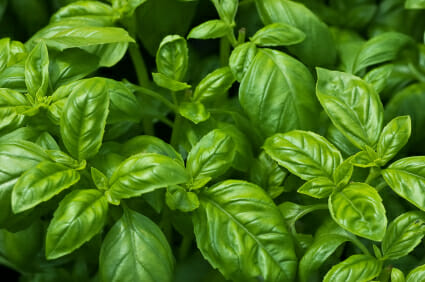
4. Basil
Blossoms come in a variety of colors, from white to pink to lavender; flavor is
similar to the leaves, but milder. The word Basil comes from the Greeks, meaning
“King”. Basil is sacred to Vishnu, Tulasi and Erzulie, masculine in nature, and
associated with the element of fire and the planet Mars.
Basil helps steady the mind, brings happiness, love, peace, and money
and protects against insanity.
5. Calendula / Marigold
A great flower for eating, calendula blossoms are peppery, tangy, and spicy —
and their vibrant golden color adds a dash of magick to any dish. The
ancient Egyptians, Greeks and Romans all loved calendula and used it for
culinary and healing purposes. During the medieval period it was considered a
cure for just about everything. Marigold is associated
with the Sun. Calendula
symbolizes love and constancy. It is great for wedding bouquets and
decorations. It is the traditional “he loves me, he loves me not”
flower and is useful for love potions. Dried
petals can be strewn to consecrate an area or burned in consecration incense.
They are also a good addition to dream pillows.
6. Carnations
Petals are sweet, once trimmed away from the base. The blossoms taste like
their sweet, perfumed aroma. In ancient Rome,
carnations were known as “Jove’s Flower” as a tribute to their beloved king of
the gods, Jupiter. Carnations are
masculine, associated with the Sun and Jupiter, and with the element fire. Those things that fall
under the rule of Jupiter are ideal for use in magickal applications related to
luck, money, good fortune, status, legal matters, fertility, friendship,
ambition, career, success and protection. The
flowers can be used to lend strength in healing applications. The practitioner
can also use carnation essential oils to increase health and vigor.
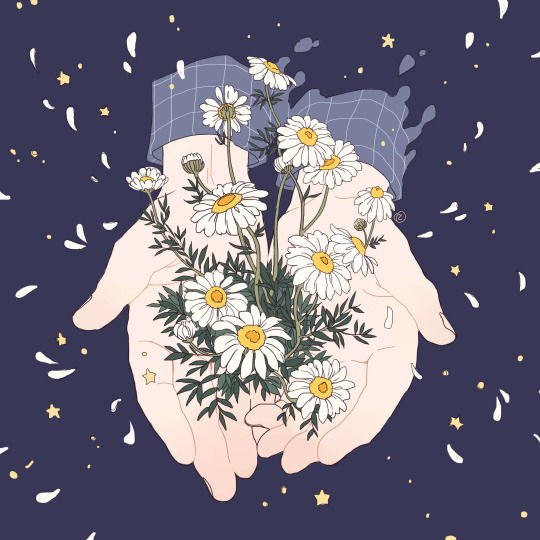
7. Chamomile
Small and daisy like, the flowers have a sweet flavor and are
often used in tea. Ragweed sufferers may be allergic to chamomile. The Romans used Chamomile for incense. Chamomile was used in ancient Egypt for
fevers and was dedicated to their Sun God Ra. Chamomile is associated with the sun, Leo and the element of water. It helps cleanse and invigorate
the throat chakra (5th). It is associated with
various Sun Gods, including Cernunnos,
Lugh and others. It is used
in spells for money, peace, love, tranquility and purification.
8. Chrysanthemum / Mum
A little bitter, mums come in a rainbow of colors and a range
of flavors range from peppery to pungent. Use only the petals. In Celtic folklore, chrysanthemums in the garden were considered a
meeting place for the faeries. Chrysanthemum
is masculine in nature and resonates with the
energy of the Sun and the element of fire. Chrysanthemum has been used
for burial rituals and is a suitable decoration for Samhain and for ancestral altars. The dried flower heads of
chrysanthemum can be burned during house blessings ceremonies.
9. Dandelion
The bright yellow
flowers should be gathered as soon as they open. Remove the green bits from the
base of the flower before using. These can be added to wines, vinegar or
jellies. The name dandelion comes from the French, “dent de lion” which
means “tooth of the lion”. The dandelion is
masculine in action and associated with the planet Jupiter, the element of air and both Pisces and Sagittarius.
It is also associated with any solar deity, Hecate, Brigid and Belenos. A tea of the flowers and leaves may be consumed to increase psychic ability, while pouring boiling water over a bowlful of roots
will aid in calling spirits. You can also make a
wish and blow the seeds off a dandelion head.
10. Lavender
Sweet, spicy, and perfumed, the flowers are a great addition
to both savory and sweet dishes. Some of the earliest
recorded uses of lavender are by the Roman soldiers who used the wild-growing
plant to perfume their bathwater and wash their clothes. Lavender is
masculine in action and associated with Mercury. It is also associated with the element of air and the astrological sign Virgo. It may be used as an asperging herb (to sprinkle water for purification purposes) and dried lavender sticks or wands can be burnt
like incense. It is also useful in spells to sharpen the mind, to
encourage or strengthen pure love and to encourage fertility. The scent of lavender is
relaxing and uplifting all at once making it a great aromatherapy for stressed
out or depressed individuals. Try adding some lavender oil to your bath or add
it to mild oil for a relaxing massage at the end of a hard day. Stuffing a
pillow with lavender buds may help insomniacs relax and fall asleep and soothes
headaches.
11. Oregano
The flowers are a pretty, subtle version of the leaf. Oregano is ruled by Venus and the element of air and
associated with Aphrodite. It is
used in spells for happiness, tranquility, luck, health, protection and letting
go of a loved one. It can also be used in spells to deepen existing love. When
worn on the head during sleep, it is said to promote psychic dreams. Oregano symbolizes
joy. Use it for rituals celebrating joyful occasions, or in spells to bring joy
into one’s life.
12. Rose
Remove the white, bitter base and the remaining petals have a
strongly perfumed flavor perfect for floating in drinks or scattering across
desserts, and for a variety of jams. All roses are edible, with flavor more pronounced
in darker varieties. From the time of Solomon, the rose has been the
flower most closely linked with love. The rose was sacred to Venus, the Roman
goddess of love, and was connected to her messenger, Cupid. Roses have
been cultivated for over 5,000 years. Roses are associated with Aphrodite, Adonis and Eros.
Rosewater is a protective agent worn on clothes. Rose petals can be added to
charms against the evil eye.
13. Rosemary
Flowers taste like a milder version of the herb; nice used as
a garnish on dishes that incorporate rosemary. The word Rosmarinus is from the Latin meaning “dew of
the sea”. Rosemary is also associated
with Aphrodite and appears in many ancient images of
Her. Rosemary was used to ward off evil spirits and nightmares. The wood was
used to make musical instruments. Rosemary is male in nature and ruled by Leo, the element fire and
the sun (or Moon,
depending who you ask). It’s sacred to Hebe, Aphrodite and the Virgin Mary. Rosemary can be used in spells
for fidelity and remembrance as well as to dispel jealousy. Rosemary is useful
for ritual baths, and for making
sacred herbal water for ritual cleansing, blessing and purification. Bathing in
rosemary will enhance your memory.
14. Sage
Blossoms have a subtle flavor similar to the leaves. Sage is
a hardy perennial of the mint family. The
Romans regarded sage quite highly and much sacrifice and ceremony was
associated with its harvest. They believed it stimulated the brain and memory
and used it to clean their teeth. Sage is masculine in nature and associated the element of air and
the planet Jupiter. Sage is
sacred to the Greek Zeus and Roman Jupiter. It is also a symbol of the
Virgin Mary. Sage is used in
magical workings for immortality, longevity, wisdom, protection and the
granting of wishes. Sage is also believed to help alleviate sorrow of the death
of a loved one.
15. Sunflower
Petals can be eaten, and the bud can be steamed like an
artichoke. Sunflower is associated with the sun and
all solar deities. Its essence helps balance the first chakra and also helps
with confidence in leadership roles. Sunflower
oil can be used as carrier oil for healing oils used in massages and ointments.
16. Violets
Another famous edible flower, violets are floral, sweet and
beautiful as garnishes. Use the flowers in salads and to garnish desserts and
drinks. In Roman mythology, violets were said to be
lesser goddesses who once dared to rival the beauty of Aphrodite, goddess of
love and beauty. Violets are affiliated
with the planet Venus or Pluto and are associated with the nymphs of ancient Greek myths. Violets are also
associated with death and rebirth through the story of Attis.
Violets are useful in love spells and may be carried as an amulet to increase one’s luck in love. Try
combining them with lavender for an enhanced effect.
Sources: HerbalRiot, Cheralyndarcey, Witches of the Craft, Inspirationforthespirit,
Assuming you want a small but potent hit to make it a personal comment. The following bouquet wishes plenty of malice and for once would actually look aesthetically pleasing.
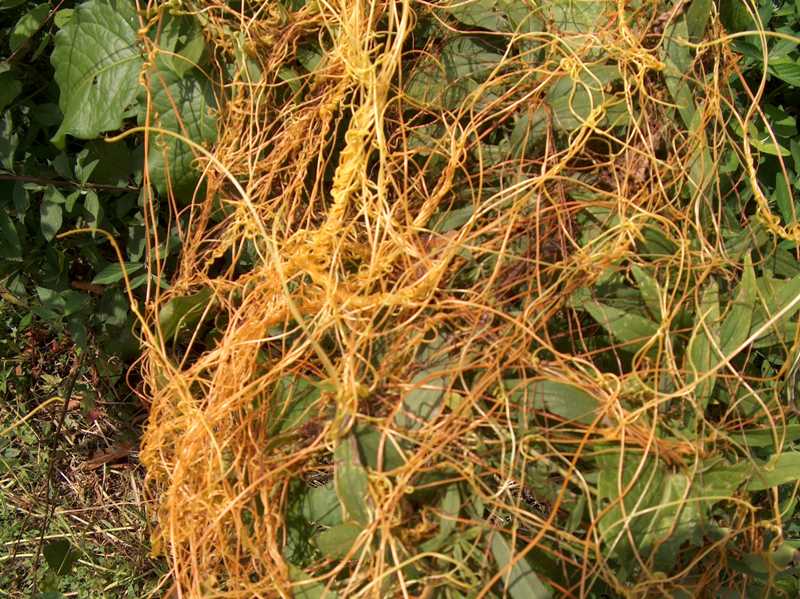
In the center you’ll want Wild Tansy meaning I declare war against you and for all you stand for you’ll probably want to surround the Tansy with Dodder, a parasitic plant which represents lack that necessitates friendship – or meanness in the old fashioned sense.
St John’s Wortmeaning animosity mixed Pumpkin Flowermeaning crudeness. Then Basil meaning hatred, Red or White Garden Anemone meaning illness or poison (it was once believed just breathing the anemone would make one ill), Fragrant Coltsfoot means in this context you’ll get what you deserve. The whole thing should be wrapped in Privet, which means prohibition – in other words stay away. If the sentiment has been a long time coming you’ll want to have privet with berries.
Speaking of pretty flowers, may I present to you the “Eighteen Scholars”, the flower of my heart-a variation of Camellia japonica L. Its uniqueness lies in the layers and layers of petals-one flower can hold as much as 130 petals.
Named “Eighteen Scholars” in Chinese because at the most, one bush can have up to eighteen of these pretty darlings :3


 teakepp