There are sea organisms and fungi which glow in the dark and there’s fireflies and jellyfish which glow in the dark. It doesn’t do them any harm nor does it do the people around them any harm. I would say its pretty healthy, as well as it would mean more photosynthesis happening in cities which mean cleaner air.
I was just curious about how they were doing it and for some reason I didn’t think to click the link. But thanks! It makes more sense now. I was afraid it was some kind of chemical thing.
nah just genetic modification using existing bioluminescent genes. Genetics is really cool, and so is bioluminescence. I mean they’ve already made pigs glow using jellyfish genes and pigs are waaay more complicated than trees iirc. So they’re actually (i think) less likely to muck it up with trees.
Assuming you want a small but potent hit to make it a personal comment. The following bouquet wishes plenty of malice and for once would actually look aesthetically pleasing.
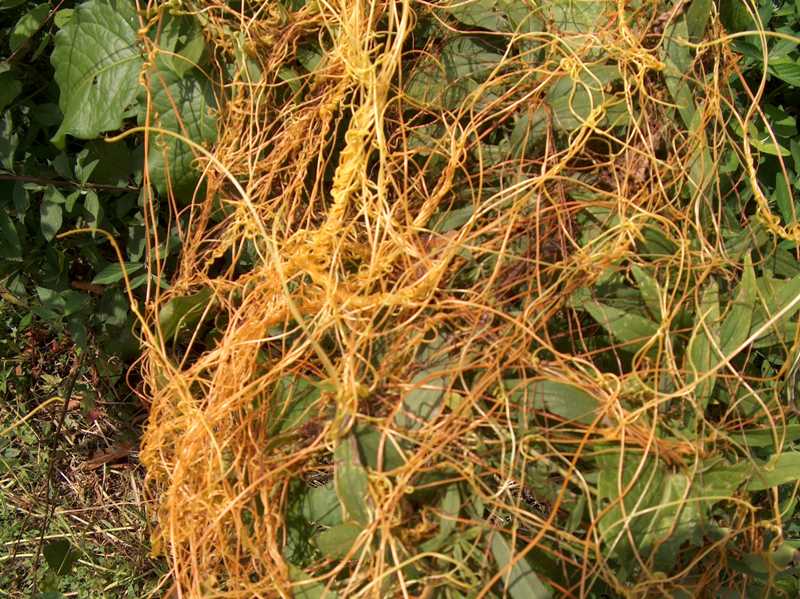
In the center you’ll want Wild Tansy meaning I declare war against you and for all you stand for you’ll probably want to surround the Tansy with Dodder, a parasitic plant which represents lack that necessitates friendship – or meanness in the old fashioned sense.
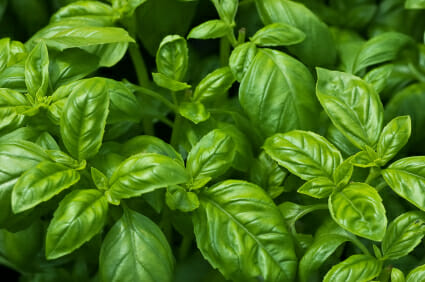
St John’s Wortmeaning animosity mixed Pumpkin Flowermeaning crudeness. Then Basil meaning hatred, Red or White Garden Anemone meaning illness or poison (it was once believed just breathing the anemone would make one ill), Fragrant Coltsfoot means in this context you’ll get what you deserve. The whole thing should be wrapped in Privet, which means prohibition – in other words stay away. If the sentiment has been a long time coming you’ll want to have privet with berries.
Since I’m on a plant kick today because I’ve decided to give my green thumb a try, I’m creating this master post relating to household plants. This is especially useful for witches like myself who don’t know the first thing about taking care of a plant inside the house besides watering and letting the darn thing get some sun! So, here we go:
Common TOXIC (as in you may not want to get these if you have kids or pets) household plants and their properties:
*Aloe (toxic to pets, not toxic to humans) – wards against evil, protection from intruders and household accidents, brings good luck (also great for burns and good for your skin)
*Lillies, as well as the Peace Lily – love, comfort, harmony
*Ivy – protection, drive away negativity, promote fidelity and fertility
*Poinsetta – purity, celebration of winter holidays
*Fig (aka weeping fig, fig tree, ficus, ficus tree) – divination, fertility, love, prosperity, guards against poverty and hunger if placed in kitchen, aids in restful sleep if placed in bedroom
Common NON-TOXIC household plants and their properties:
*African Violet – love, protection, promotes peace and spirituality
*Lavendar (can be toxic If your pets ingest a lot of it) – love, friendship, calm, protection
*Spider plant – protection, healing, absorb negativity while improving the energy and air quality of your home
*Bamboo –
protection, luck, hex-breaking, wishes, protection, helps with depression
*Orchid – love, power, charisma
*Ferns (some ARE toxic, however the Boston Fern is not) – protection, luck, can aid in summoning rain
*Ti plant (can be toxic If your pets ingest a lot of it) – good luck, can be used to attract money if you place a coin under it
*Succulents (hens and chicks, burro/donkey tail, etc.) – love, abundance
*Palms – spirituality, good vibes, protection from unwanted spirits, ghosts, astral entities
*Cacti (non-toxic, yet can still be painful for kids and pets if they touch the spines) – protection, strengthens will, increases sexual stamina if juices are added to a love potion, guards against intruders if a cactus is placed in the North, East, South and Western points of your home
***I’ve recieved a lot of feedback on this post stating that most of the NON-TOXIC plants I have listed are in fact toxic. I’ve made a few notes and changes, but let me just add that many plants can be toxic to animals if they eat a bunch of it. Vomiting, diarrhea, and depression are side effects that your pet may exhibit if they’ve eaten too much of a plant that can be considered non-toxic or mildly toxic. It’s always best to seek medical attention for your pet if they show these sympstoms, just in case. Otherwise, try to keep your plants out of reach of your pets, please!
Use your best judgement on which plants are best for your household. I’m not an expert, these are just some of the things I have gathered through research. If you’re afraid your pets are gonna eat your plants and get sick, then maybe you should get a different plant that is edible or otherwise in no way a danger to the animal.
You can refer to the ASPCA’s website on toxic and non-toxic plants if you’re unsure, but please keep in mind they do not mention the severity of the toxicity of the plants they list, so you can do a simple google search to find out for yourself, but AGAIN please do not replace any information you find on the internet to actual medical care! Consult with your veterinarian if your pet it sick!
*Moss Agate (aka the Gardener’s Stone) – prosperity, vitality, helps plants thrive and will assist plant growth, wearing moss agate while planting/gardening will increase your green thumb and give you energy, assosciated with nature spirits
*Green Jasper – aids in luxurious growth of your plants
*Green Calcite – healing, can be used to soothe when the environment is too loud, associated with Earth spirits of woods and meadows
*Clear Quartz – aids in growth and vitality, grounding, can also be placed in a vase of freshly cut flowers to help them last longer
*Rose Quartz – especially beneficial for roses as it maintains their bloom longer
*Smokey Quartz – keeps pests away
*Tourmaline – healing
*Amethyst – calms plants that are stressed
*Jet – can be worn to make plants flourish
*Green Fluorite – healing, especially good to use for a plant that has been injured or broken in some way
*Moonstone – fertility, encourages healthy plants and flowers, promotes a soothing, restful area
Perform this exercise with a plant with which you are familiar with, then try it with something you’ve never seen or handled before. Trust your observations
For this exercise, you’ll need the plant, plus your green witch journal & something to write with.
Take the plant in your hand. If it is dried or harvested herb, hold a pinch in your palm or hold your hand over it, palm down. It is a living plant that you correctly identified as safe to touch, gently touch it with your fingers. If you cannot identify it, hold your hand above or to the side of the plant with your palm towards it.
Close your eyes and imagine your palm glowing. Focus on the sensation of your palm.It may tingle or grow warm or cool. That means you’re focusing on the energy your palm is creating naturally.
Visualize the plant glowing
Visualize the glow of energy collected in your palm gently stretching out to touch glowing energy of the plant. As the two energies meet, ask yourself what you sense. Do you feel a specific emotion? Do ideas drift into your head? Thoughts or vague hunches? Pay attention. This is a method for collecting observations about the plant by sensing its energy with your own energy.
When you feel you have observed enough, send the plant a feeling of gratitude for its cooperation, then visualize your energy disengaging from that of that the plant and drawing back into your palm.
Open your eyes and shake your hands firmly, as if you’re shaking water off your hand. This will help you get rid of any excess energy hanging on.
Write down your observations in your green witch journal.
Everyone interact differently with the energy of a plant. If lavender energizes you, then that is one of lavender’s energy benefit in your practice, even though most books will tell you that lavender generally projects feelings of peace and tranquility. Acquiring first-hand knowledge is important for a green witch, as it shapes and refines your practice, personalizing it in a way that makes it truly unique.
Speaking of pretty flowers, may I present to you the “Eighteen Scholars”, the flower of my heart-a variation of Camellia japonica L. Its uniqueness lies in the layers and layers of petals-one flower can hold as much as 130 petals.
Named “Eighteen Scholars” in Chinese because at the most, one bush can have up to eighteen of these pretty darlings :3
Ever seen another person’s herb garden and wanted one exactly like it? Want to buy loads of lovely herbs but don’t have the money? Or want to start a plant business don’t know where to start?
Well my friend, I have two words for you. Plant cloning. It’s natural, free and very easy to do.
This method works best for herbs such as
Basil
Broadleaf Thyme/Cuban Oregano
Mint
Oregano
Basically, what it does is allow you to take a cutting from one plant, and grow an entirely separate plant from it. This means that you could have an endless supply of herbs – you can take 20 cuttings from a single plant, and when they’ve all grown you’ll be able to take another 20 cutting from each of those plants!
So how do you do it? Well it’s deceptively simple. Here’s how:
1. Start with your parent plant. Due to my recent obsession with basil, that’s the herb I’ve decided to go for.
2. Take a cutting – about 4-5 inches long. Make sure you do it just below a node (the place where the leaves join the stem, just like above in the picture)
3. If possible, try and cut the stem diagonally. This gives it a greater surface area to suck up water with.
4. OK, so this is pretty much what your cutting should look like. Make sure you’ve removed at least the bottom pair of leaves, but it’s good to remove a few sets as the plant can then concentrate on growing roots.
5. Place the cutting in some water so that the stem is comletley submerged. I found old plastic shot glasses worked great for this, but you can also use pretty bottles or cups or whatever.
6. Make sure you’ve picked the bottom leaves off, and that the nodes are in the water. This is because the new roots are going to grow out of these nodes, so obviously they’re going to need to be in the water.
7. Put them in a sunny place where you can keep an eye on them. Above is a picture of the babies with their mummy! After about a week, roots should have grown out of the nodes.
8. That’s it, you’re done! Once the roots are well developed, you can plant your herbs in to pots. Keep the soil moist and the herb in a sunny place, and soon it’ll be as big as the parent plant.
You can use this method to get free herbs – instead of buying them all, why not just take cuttings from a friend or family member’s herbs and use them for your own garden? (with their permission of course)
Or, take a lot of cuttings like I’ve done, pot them up and sell them for a profit!
As a practicing Witch and small-scale herbalist, I often find that when I’m out and about I’m also absentmindedly on the lookout for any new, interesting or useful herb species that might help me in my practice. I even carry a small clean jam jar and a sharp penknife in my handbag at all times for if I spot a herb I just can’t resist and need to take a cutting of it for my collection back home. However, while I’m avidly seeking out roadside feverfew or happily snipping cuttings of a rare cultivar of lavender or sage, I’m always acutely aware of why I call the etiquette of herb-gathering.
These are a few simple rules by which I suggest all foraging Witches, alchemists and herbalists should abide that dictate the correct course of action for those who seek to collect herbs from places other than their own gardens. They are mostly fairly common-sense, but a few are ones that might be overlooked, but which can actually be of profound importance!
I will list the rules below, but bear in mind that it’s not like this is some onerous obligation that must be fulfilled, and nor is it some sort of “Witchcraft commandment” or infallible and unchanging list of sacred laws. These are a few things that I created for my own usage, and nobody else is under any obligation to use them. If you choose to do so, I’ll be thrilled; if you find a way to improve them, please do reblog this post with your corrections!
The Etiquette of Herb-Gathering
Remember that all plants are living things, and if you harvest them too severely, they will die. This seems obvious, but you’d be shocked how many people forget! This is especially important when what you’re harvesting is the plant’s leaves – always remember that leaves are how plants make their food, so leave enough of them to enable the plant to keep growing strongly.
Never forget that you may not be the only one foraging. Make sure that, when you harvest a wild growth of a herb, there may be others in the area who would also like to harvest that plant. Take only a little from a lot of patches, rather than using only two or three patches, but taking almost all of what is available at each one. This will not only ensure that other foragers can use that patch too, but will mean that when the patch regrows, you’ll know where to go back to in order to find it again instead of needing to hunt down a new patch each time.
When foraging on another’s land, ask their permission first! This seems so straightforward, but sadly people forget that plants growing in other people’s gardens (yes, even their front lawn) are that person’s private property! Taking cuttings or fruits from plants on that property without the owner’s permission is legally theft, and can be punished just like shoplifting or stealing a bike from a railing. It also means that the owner will know that their plant is looking smaller because it’s been harvested, rather than them thinking it’s died or been eaten by some wild herbivore.
Always cut stems at a diagonal angle. Never snip a stem so that it forms a circular, blunted end, because this can allow rainwater to build up on the surface of the cut. This rainwater can trap fungal spores, and cause the plant to get a serious fungal infection that may damage or even kill that whole patch. Instead, cut the stems at a roughly 45° angle, so that water beads up and rolls off more easily.
When collecting flowers, remember that other people like to look at wildflowers. Never take ALL the flowers from any wild plant, both because it prevents that plant from reproducing as it naturally wants to do, and because it means others who walk past the plant don’t get to see it’s beautiful blooms! If you own the plant, that’s another matter – you may WANT to snip off all flowers to prevent it from bolting, like with parsley. However, with wildflowers, always leave at least half the flowers on the plant so that it can continue to reproduce as nature intended.
Never pick a plant you can’t identify with total certainty. Yet another seemingly-obvious one that is nevertheless often ignored. This is often quoted for fungi, because some fungi can be quite poisonous, but if anything it’s even worse for plants. The medicinally fabulous plant known as yarrow, Achillea millefolia, is a very useful plant and a common component of herbal medicines. However, it looks almost identical to spotted water-hemlock, a species of plant so deadly that one bite can kill you in 20 minutes. Make completely certain that all plants you collect are positively identified, and that you flag all plants with commonly-confused poisonous cousins for further identification later if you’re not 100% sure.
Never harvest flowers from plants around beehives. Bees are one of the most important families in the natural world, being responsible for the pollination of tens of thousands of species of flowering plants all over the world and on every forested continent. Whilst most species of bees are solitary, and don’t form the large hives we assume are common to all bees, those that DO form vast colonies need similarly vast numbers of flowers to support themselves. When you come across a beehive, especially a boxed hive that’s clearly domesticated by humans, try to avoid harvesting any flowers from within 500 metres (about a third of a mile) around the hive(s). The hive needs all the nectar and pollen it can get, and due to the rising threat of colony collapse disorder the life of every single hive is a precious thing that must be preserved at all costs. It might be inconvenient for you, but it’s worth it.
***************
These are just a few of the major rules that I personally suggest all foragers and herb-gatherers take to heart. Remember that you’re not the only Witch who needs their supplies! Thank you for reading 🙂


 teakepp