Research your climate zone [usa] [ca]. Buy plants that are recommended for your climate zone.
Note the sunniness of where you are going to grow your plants.
no direct sun at all (still needs ambient light) = full shade
sun in morning/evening shade for rest of the day = part shade
sun all day = full sun
shade in morning/sun for rest of the day = sunny, part sun
follow these guidelines:
south window = sunny, part sun, sometimes full sun
east window = part shade
west window = part shade
north window = full shade
sun bulbs can be purchased to encourage indoor growth.
indoor plants used to low light might easily burn and dehydrate if left in full sun for too long, even if they are normally hardy plants.
soil & drainage
basic potting soil or gardening soil is “universal” for almost all plants.
major exception:
cactus & succulents = rocky, sandy, succulent soil is necessary for proper drainage
all plants need proper drainage or else they will ‘drown’. Choose only containers with holes in the bottom. Use a thin layer of rocks and/or gravel at the bottom of containers to ensure the hole is not clogged with soil.
watering
water less = cooler, cloudy, low wind, humid, rainy.
water more = warmer, sunny, windy, dry, no rain.
note the type of container you have used.
dries out more slowly, water less = metal, plastic, glazed ceramic, light colors in sunlight, nonporous.
dries out more quickly, water more = terracotta, wood, moss, dark colors in sunlight, porous.
indoor gardeners, plants with smaller root systems need less water. Watering them more will drown them; not encourage them to grow. The roots cannot drain the soil and the water will sit, drowning the tender root system 😦 this applies primarily to container gardening.
no need to water daily. water when the plant tells you it is ready:
its leaves droop (aim to water a day before this hits!)
it begins to stop being glossy and starts looking a bit drab
the soil is dry 1 to 2 inches down
the pot is lighter because the soil is dry (lift pots before and after watering to compare)
you want your plant’s root ball to be moist.
when roots dry, they shrink, pulling away from the edges of the pot.
when you add water to the pot, it follows the path of least resistance around the edges of the pot, straight past the root system.
to fix this, soak the plant once in water. then, water again.
if a plant is not seeming to be hydrated no matter how much you water, it is possible all your water is draining off to the sides and never reaching the actual root ball. to fix:
soak thoroughly in water several times.
place your container in a tray of water and let osmosis or whatever suck that water right up straight to the root.
avoid frequent, small waterings. this encourages the plant’s roots to grow too close to the surface. It is best to thoroughly water plants then let them dry out slightly before you water again (no need to let the leaves droop or anything – just wait until the plant is ready again, as described above).
getting a plant from a nursery
choose smaller plants as long as they are healthy.
smaller plant = smaller root system, healthy.
larger plant = big root system, curled and unhealthy in small commercial pot.
young plants with fruit or flowers = prematurely grown, highly stressed, unhealthy.
healthy plants have several identifiable traits.
they are colorful and lush
they are firm and do not have mushy stems or leaves
they have thick white roots
they are free of brown, white, or yellow spots
they are free of bug bites and infestation
transplanting a new plant to a pot
get the right sized pot.
too big = easily drown plant in soil that cannot drain.
too small = root system curls in an unhealthy way, not properly sized.
the “right sized” pot is based on the current size and future growth of the plant.
if a plant is 10-12 inchestall, give it an 8 inch diameter pot.
if the plant is 2-3 feet tall, give it a 24 inch diameter pot.
with a new nursery plant, get a container giving about 2 extra inches on each side of the plant.
get a container tall enough that you can have 2 inches of soil at the bottom of the container, a plant, and one inch of space between the topsoil and the lip of the container. This gives you plenty of room to water!
ensure your drainage hole is properly covered with mesh or a stone to prevent soil from falling out or clogging it.
moisten your potting soil if it is really dry. Mix some in a pail or bucket with water until it has the texture of a squeezed sponge.
ensure the nursery plant is damp enough to transplant. If the soil is too dry the root system will not hold the dirt together and everything will just fall apart (!!!). Soak your nursery plant for 30 minutes in water.
fill the space around the plant with potting soil, leaving one inch of free container space above the plant.
although the soil and plant should both be damp, you must now water your transplanted baby to ensure all air pockets are eliminated and that the soil has settled around the root ball.
even if plant is “full sun” do not simply place a young plant right outside for hours and hours. “Harden off” plants by slowly introducing them to the sun for an hour at a time and progressing over a course of days until they are ready for full sun.
enjoy plants :3
extensively plagiarized from Container Gardening for Dummies
Aloe Vera emits oxygen at night, this helps you combat insomnia and improves your overall sleep quality. It is a low maintenance plant that doesn’t need much watering or direct sunlight . It also reproduces easily.
Lavender
Lavender is a plant well known for inducing sleep and to reduce anxiety, the aroma given off by the lavender slows down your heart rate and reduces anxiety levels. Keep the plant in sunlight and water often.
Jasmine
The smell of jasmine has been shown to improve the quality of sleep and increase alertness and productivity. studies have shown that I reduces anxiety levels, leading to a great quality of sleep. Jasmine needs a good amount of sunlight as well as a little shade, the soil also needs to be damp at all times.
English Ivy
It may be beneficial for those who sufferer from a respiratory problems such as asthma, studies show that English ivy can reduce air moulds to 94% in 12 hours. Keep in a well lit area and keep the soil damp at all times.
Snake plant
Snake plants emit oxygen during the night, whilst taking in the carbon dioxide from the air inside your home. It also filters out any nasty house hold toxins from the air. This plant doesn’t need much attention as it only needs to be watered every 2-3 weeks and can be placed in any form of light sunlight.
So maybe you’re a college witch with limited space and money, limited to the one window in your dorm. Or, maybe you’re a witch without extensive backyard space who wants to start up a magical garden. Perhaps you’re a kitchen witch who wants the freshest herbs right at her fingertips.
For many witches, having a garden seems to be a bit of a no-brainer. After all, plants and magic go hand-in-hand. Plus, when thinking of a witch, it’s hard not to think of a cottage in the woods with a little vegetable garden out front. Unfortunately for the majority of us, our cottage in the woods is a tiny flat, and our garden out front is a windowsill with limited space.
This is when it comes time to embrace your craftiness and bring your garden indoors! Not only does it place your garden in a convenient location, it also allows you to freshen the air, recycle what would otherwise harm the earth, and embrace your witchy green thumb!
Mini Trees, Patience and Meditation
When it comes to container gardening, we often jump straight to pots with flowers, herbs, maybe even little shrubs. Or even to terrariums and the like. But rarely do we consider incorporating bonsai into our lives. This could be because these miniature trees, as beautiful as they are, seem fairly daunting to cultivate, or possibly because many view them as expensive ornamental plants.
The truth is, however, that the art of bonsai is one which is not only very DIY but also a very helpful exercise in patience and meditation. And it is currently undergoing a bit of a revolution. Traditionally, bonsai has a lot of fairly strict rules regarding the shape and type of pot used, what plants can be used, and the proper ways to shape and trim the plant. However, in more recent movements, various pot shapes and types are being used, as well as varying plants (especially native species) so as to embrace a more personalized view.
You could either acquire traditional materials, or you can create your own container using a ceramic bowl or other type of dish. Select plants that suit your view and personality. And be aware that bonsai is still an art that requires some effort in order to grow a successful plant.
You’ll need a container with a drainage hole, gravel or volcanic rocks for drainage, plants, metal wire, and bonsai soil (either premixed or you can make your own by mixing peat clay, potting soil, and fine volcanic gravel). Place a gravel layer in the bottom of your container, and fill the rest with your potting mix.
Remove the starter plant from its container and gently remove the soil from its roots, and rinse them so that most of the soil is removed. Trim the roots, leaving the larger roots. Starting from the top of the plant and traveling down to the roots, wrap the wire around the stems of the plant. Run the remaining wire down through the mix and gravel and out of the drainage hole. This will anchor the plant and provide a training frame – alter the shape of the wire to shape and train the plant’s growth. Plant it in your container and provide ground cover on the soil either in the form of moss or gravel. Water and mist daily.
Training your plant is part of what makes this a meditative experience. Avoid over-trimming, but remember to prune large leaves and extraneous branches. As the plant gets a bit stronger and naturally grows to the shape you’ve established, you can carefully remove the wire. Keep in mind that it can take decades to get a bonsai to look like the stereotypical gnarled trees that we typically see in the media.
How Can I Witch This?
The possibilities for incorporating bonsai into your practice are nearly endless, both from the standpoint of container material and decoration and from the standpoint of tree choice. But the kind of magick I want to focus on here is “slow burn” spells.
Slow burn magic centers around working a spell that is low-energy, but takes effect over a long period of time and in much more subtle ways. Great examples of this are spells that are geared toward helping keep a house cleansed and protected over extended periods of time, nurturing a spell for health or self-confidence, et cetera.
So in addition to adding decorations or crystals, and choosing plants which correspond to your intent, shape your tree with intent, love, and compassion. These trees invite care and nurturing, while adding an appealing and cleansing atmosphere to any room. When grooming and shaping the tree, hold your intent in your mind, and also request help for realizing that intent from the plant as you care for it.
In addition, bonsai can be a great way of inviting faeries or other nature spirits into the home, much like a faerie garden. This is a form of aesthetic spellwork that can help encourage long lasting and positive effects in your home!
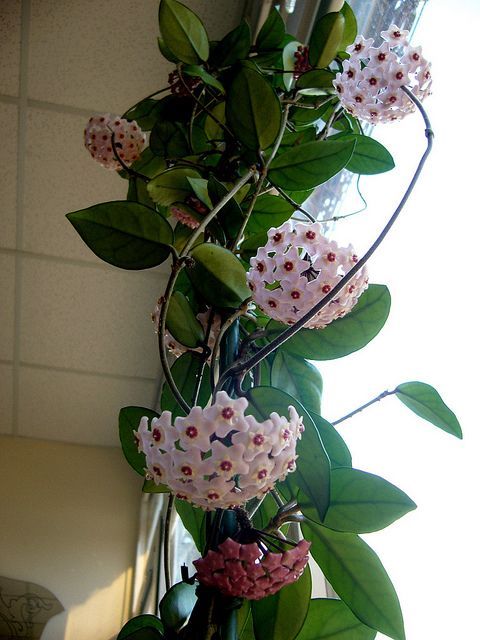
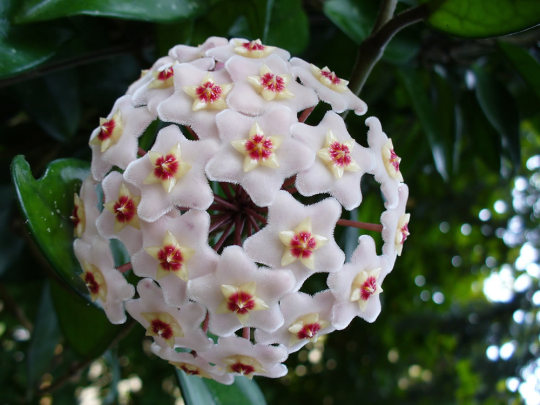
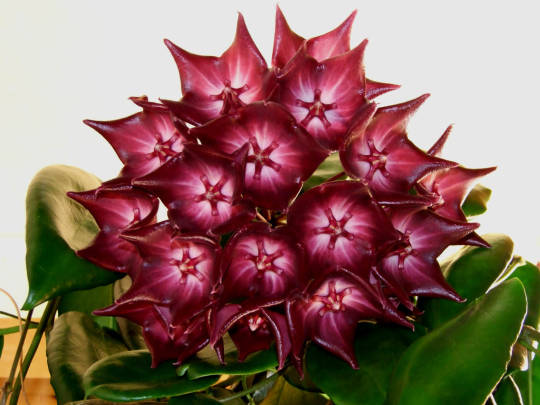
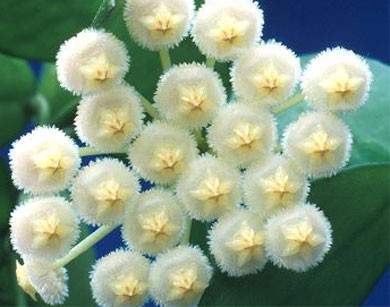
i was like ‘huh i have vague memories of that species name (hoya carsona) but i cant remember’ and i looked it up and ITS AN AUSTRALIAN WAX PLANT I LOVE THOSE!!!
they had one in a hanging basket at the greenhouse i used to volunteer at and my fave part was that the vines hung down really far and curled a little so you could grab them gently and hold her hand. and then when the flowers bloom they’re like heavy but not like other flowers??? like when they rustle the flowers are physically hard enough to bounce against one another??????
to share the love of these good plonts:
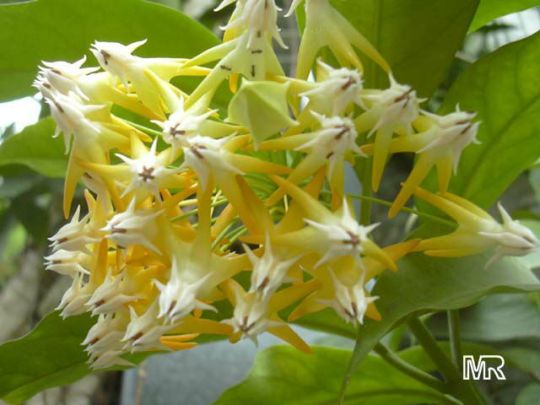
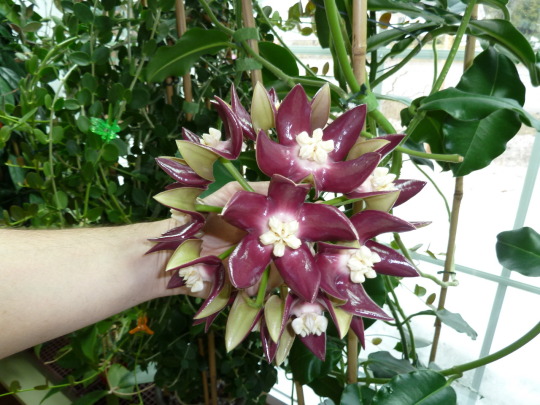
as for the rest of the genus, I never really paid attention but then when I looked literally all of them are like this????? like they have hard little star flowers??????
i’m new to green witchery – some of my plants don’t look so healthy, and sigils can only do so much. this spell will give your plant a much-needed health boost 🌱 (based off ‘little witch academia’)
time: this spell should be performed on a new moon
gather: willow bark, sun water, eggshells
optional materials: moonstone and jade chips (both are associated with growth + fertility)
preparations: crush the willow bark and eggshells into a powder. make sure the sun water is freshly charged.
🌿 sprinkle your powder at the base of your plant and in a ring around the stem
🌿 make an inner ring with moonstone, then an outer ring with jade
🌿 water your plant with the sun water before anointing its leaves
🌿 raise your arms and out loud, state the words
louperial ral!
(pronounced loo-peer-ee-al ral)
the energy from the powder and stones will revitalise your plant. make sure to be liberal with the sun water – this will act as a catalyst for your spell!



 teakepp